Tuesday, July 3, 2007

Locating Fallacies


In Chapter 10 of "Thinking for Yourself," is dedicated to identfying and locating fallacies. Mayfield provides a breakdown of many common fallacies. In this blog you will select 2 fallacies, that Mayfield discusses in the text, define each and find examples on line of each type of fallacy. Then you will post your definition (in your own words, not the text) and the examples in the blog environment.

For example, "a bandwagon fallacy is defined as one who follows others without question, in argument it's a reasoning error, because he did I'm going to do it too. I found this in listening to Olbermann describe the Bush-Chenney effect. Click the link above and watch Keith's special comment.

What other fallacies can you find?

Church and State


Just before you read the Wallis text, Mayfield provides a brief bio of Wallis. What kind of information does Mayfield give on the author? Identify the kind of specific information. What is her purpose here?

What is Wallis's viewpoint? How does he support it? What is your point of view with respect to church and state? Are the two intertwined?

What Affect does Television have on Children?


In "The Loss of Innocence" by James P. Steyer, the argument is made that children are corrupted by television.

In the article "Good news, bad news for tube-watching tots:
When it comes to screen time, experts say content is key" by The Associated Press, the AP claims that there are two primary schools of thought: 1. "The claims vary widely, from proponents who say TV and baby software can help kids learn to criticisms that they steal crucial time once spent playing and reading, or even causes attention disorders." And 2. "The reality: There is little clear data on how TV affects child development at any age, much less before age 2 — and even less research on computers for tots, video games and other now-pervasive electronic media."

Which side does Steyer fall on? What is his point of view? How does he support it? Which side do you fall on? Why?

Remember in this post to make specific references to the Steyer essay. Points will be deducted for those who fail to do so.

The entire "Good News, bad news" article can be found at: http://www.msnbc.msn.com/id/12806594/

Thursday, June 28, 2007

What's Your Opinion?


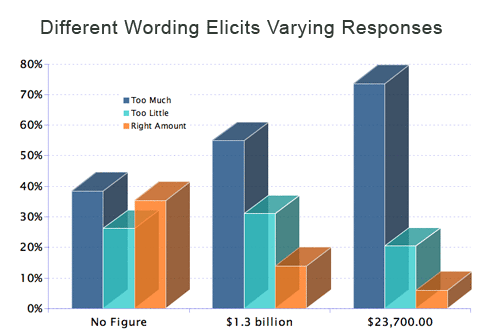
Learn more about public opinion polling by visiting the website, the National Council on Public Polls. Click the title above. What kinds of opinions do you find interesting on this site? How does Public Opinion shape how we live? Or does it? What impact do Public Opinion Polls have on society.

Google "understanding public opinions or types of opinions." What kinds of results do you come up wiht? How about blogs?

Everyone has a opinion nowadays, what's yours? Post your results including a website you find interesting in your research.

Wednesday, June 27, 2007

Desiree's Baby


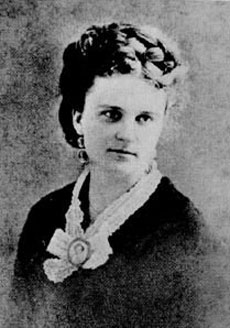
Author Kate Chopin is considered to be a preeminent author of the late 19th century, early 20th century realism. Although her work was not wildly popular at the time, today Chopin's writings have an active following. A feminist at a time when feminism was not yet a social construct, Chopin's work is known for it's rich, colorful descriptions of the plight of women and Southern life, especially in Louisiana. "Desiree's Baby," is one of Chopin's most popular works.

Click the Title Above and read the short story.

Then answer the questions that follow:

What kinds of assumptions exist here? What pre-existing cultural conditions, ideologies, or beliefs were in place for this story to end so tragically? Why do you think this story remains so popular today?

Monday, June 25, 2007

Blink


Tonight's post is an open forum of sorts. After you read, Malcolm Gladwell's Blink, consider how this text validates what we've been learning in Chapter 3 "Facts, What's Real?"

This will require that you re-read some areas of Chapter 3, before answering the question. When you reference either text, please provide detailed, specific examples. Make sure, if you quote either text, to indicate the page number so that your colleagues may reference it if he or she has a question.

Thursday, June 21, 2007

Fast Food Nation


In Eric Schlosser's essay "Fast Food Nation: The Dark Side of the All-American Meal," he claims "Americans now spend more money on fast food than on higher education, personal computers, computer software, or new cars. They spend more on fast food than on movies, books, magazines, newspapers, videos, and recorded music--combined" (99).

What kind of facts, real or imagined, does Schlosser use to support this claim? Is this a surpisng fact? Do you agree or disagree with Schlosser, why or why not? Using the Internet, research support for your claim, and post it in your response. Remember to check your rssources for reliablity.